The Glute Training Magazine, Chapter 1. Animated, 2 minutes 44 seconds.
CHAPTER 1 OF 8
1800 to 1895
The Anatomists
Before anyone trained glutes, people argued about why humans have them.
No gyms. No glute workouts.
Scalpels
Electric current
Patients
One question: what is the big human glute for?
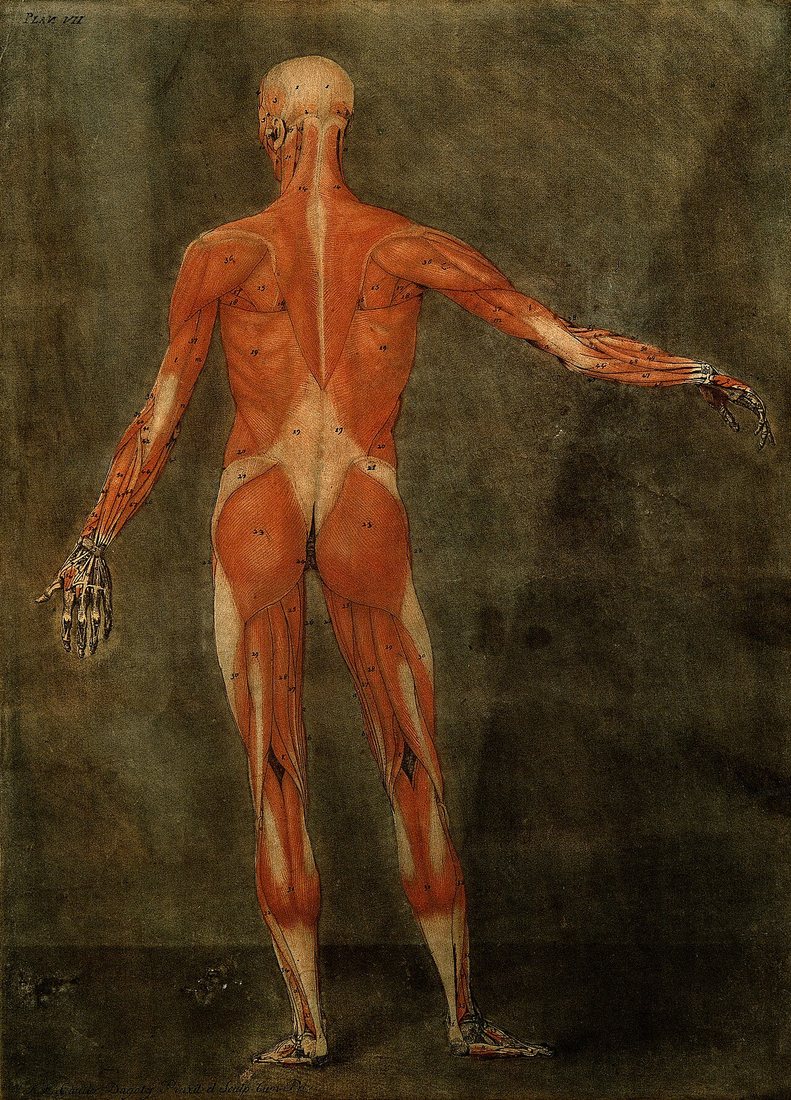
Muscles of the back, 1773 · Wellcome Collection, CC BY 4.0
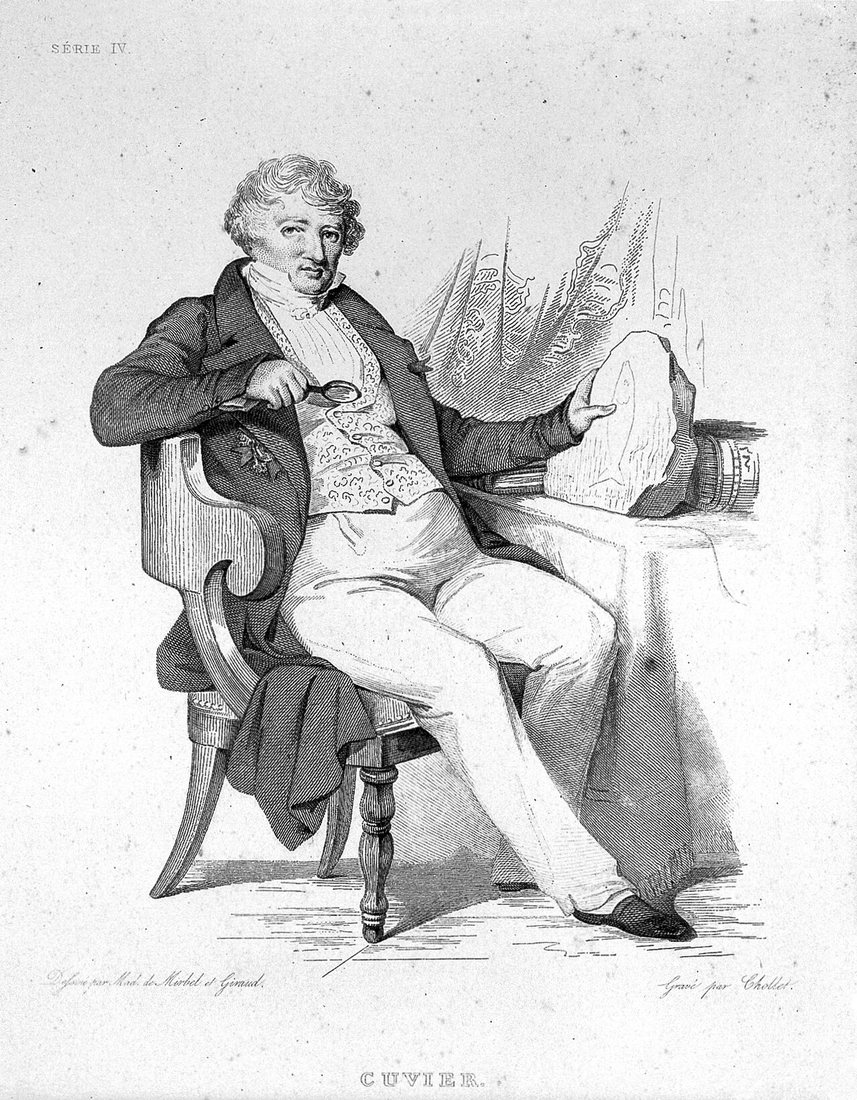
Georges Cuvier · Wellcome Collection, CC BY 4.0
Georges Cuvier
French anatomist. Lessons in Comparative Anatomy.
1800
HIS CLAIMMan is the only animal with true buttocks, just as he is the only one with true calves.
HIS REASONStanding upright. The hip extensors, above all the glute max, must hold the body up.
YOUR TURN
1867: patients whose glute max no longer worked. Could they walk normally on flat ground?
Tap your guess. The film waits for you.
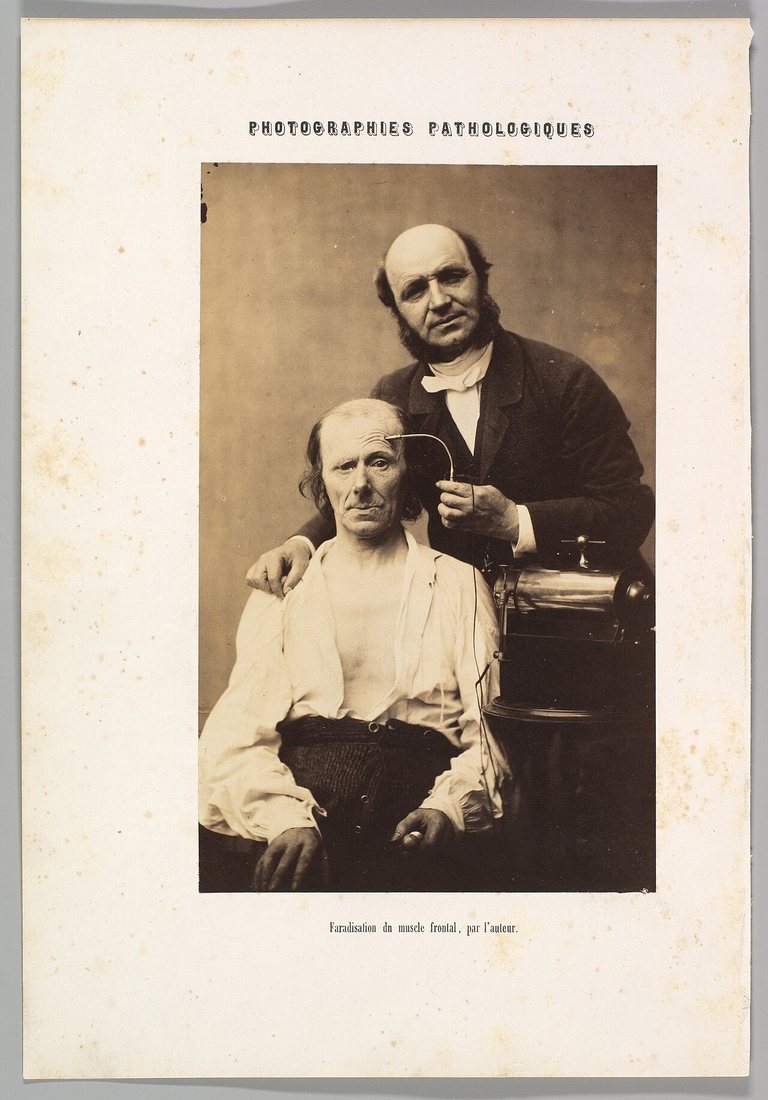
Duchenne at work, 1850s · The Met, CC0
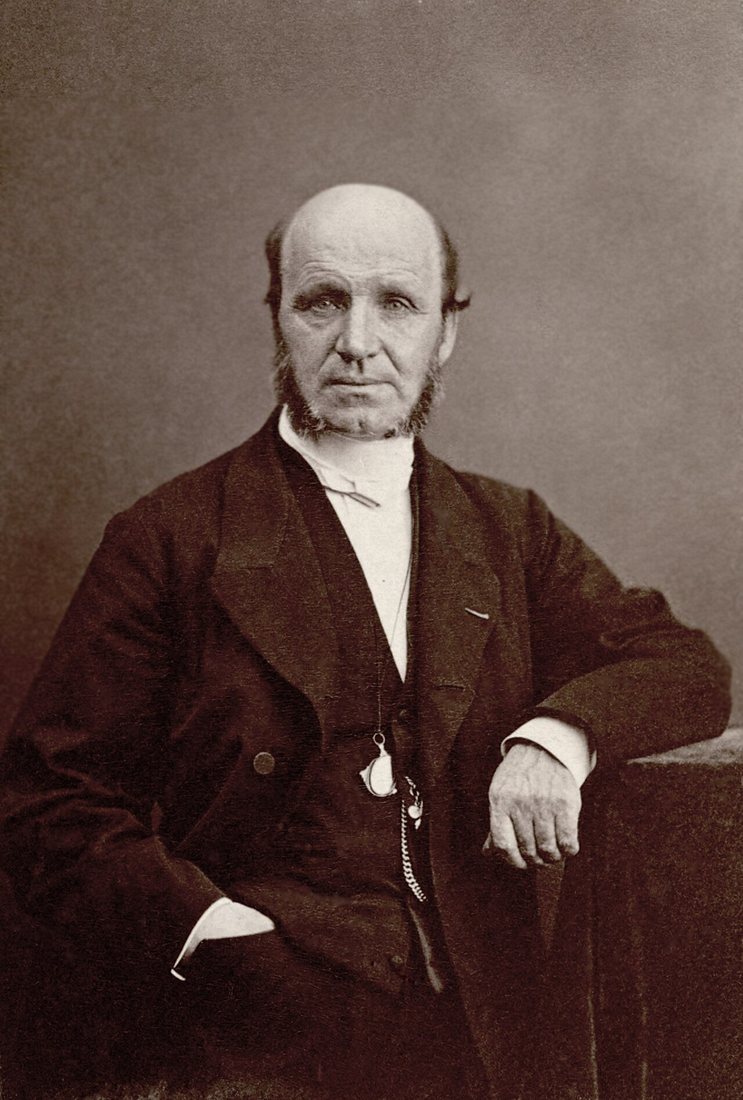
Nadar · BnF
Duchenne de Boulogne
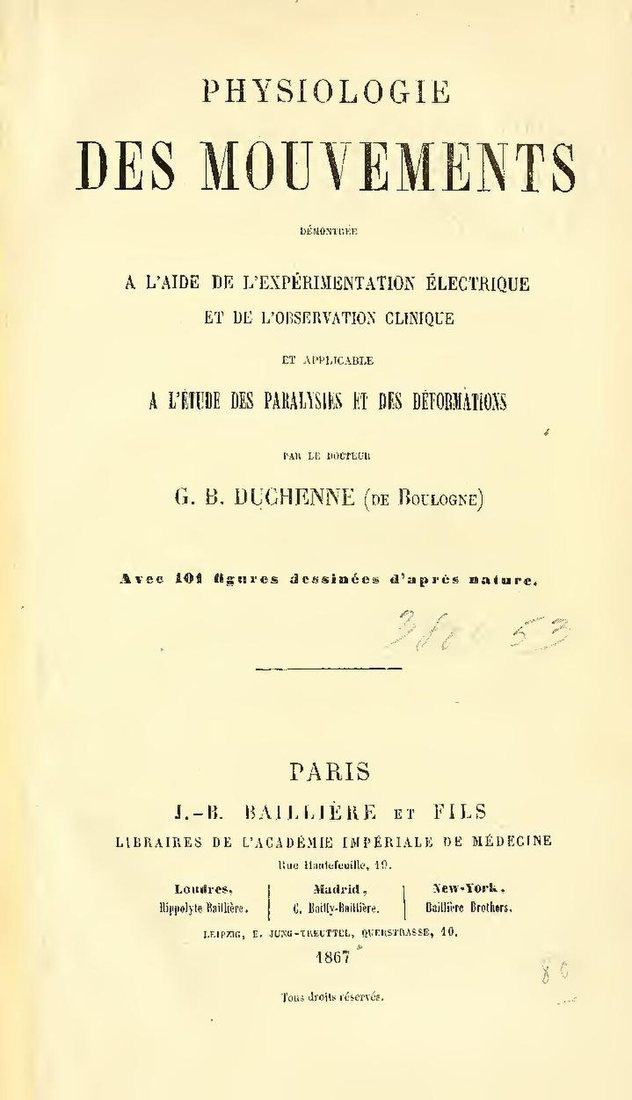
French physician. Physiology of Movement.
1867
HIS METHODElectric current through the skin, one muscle at a time. Plus patients with paralysed muscles.
GLUTE MAX, STIMULATEDExtends the thigh very powerfully, and turns it outward.
IN STANDING AND ORDINARY WALKINGCompletely inactive. Without it, patients still walked normally.
DUCHENNE: WHERE THE GLUTE MAX IS NEEDED
Walking uphill
Climbing stairs
Jumping
Dancing
Rising from a seat
Carrying a heavy load on the shoulders
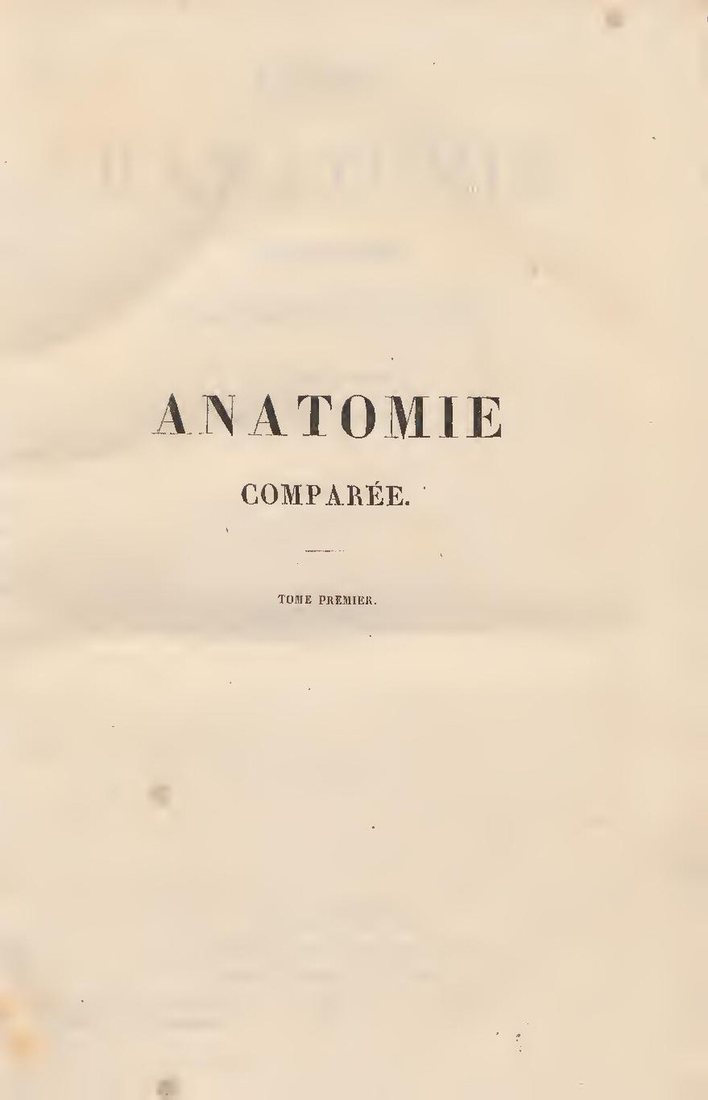
His book, 1867 · Internet Archive, public domain
For upright posture, he credited the hamstrings more than the glute max.
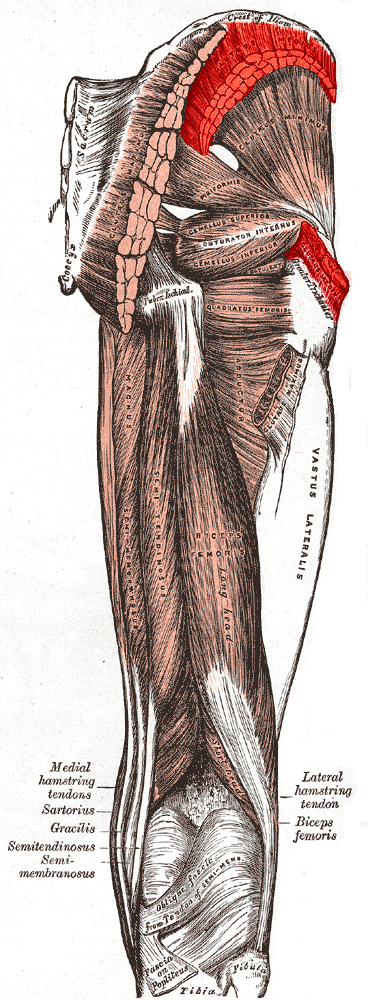
Gray's Anatomy, public domain
The side glute
Gluteus medius, shown in red. Mapped by Duchenne.
1867
FRONT HALFTurns the thigh inward.
BACK HALFTurns the thigh outward.
WHEN IT IS WEAKStand on that leg, and the pelvis drops on the other side.
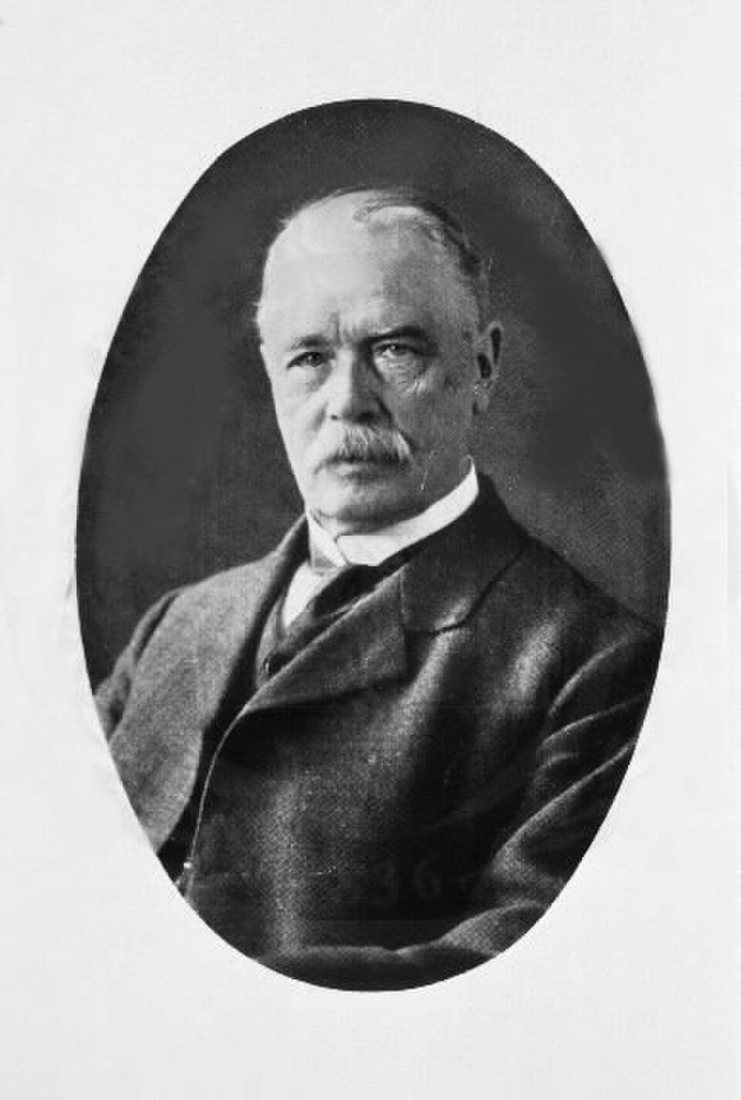
Trendelenburg · Public domain
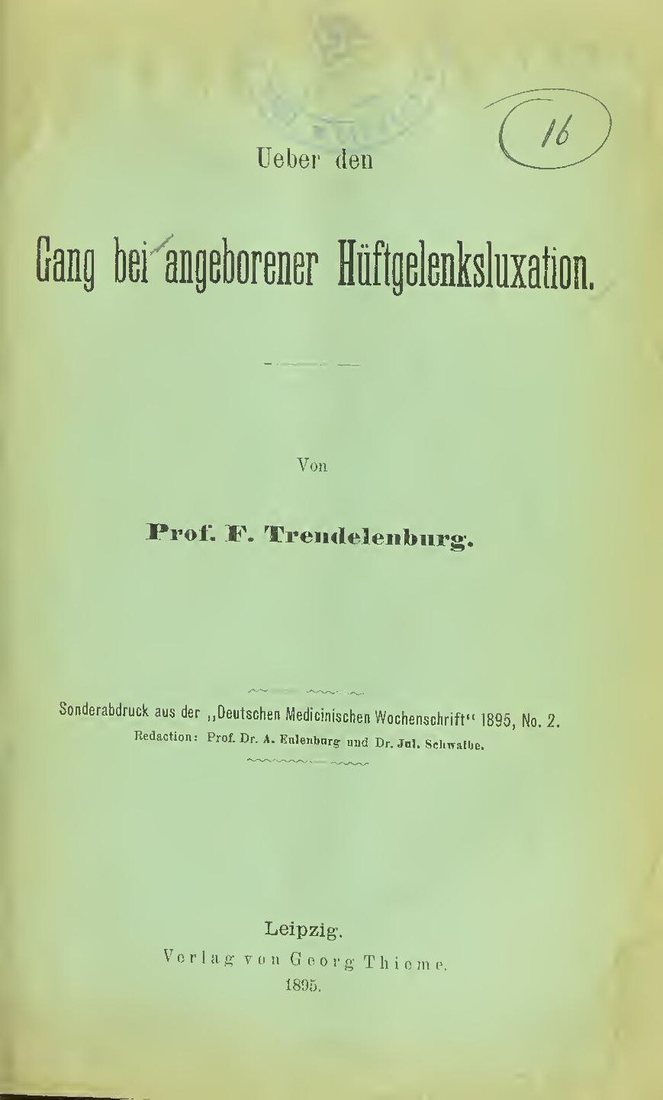
His paper, 1895 · RCS England
Friedrich Trendelenburg
Surgeon. Surgical clinic, Bonn.
1895
HIS PATIENTSChildren born with a dislocated hip. They walked with a waddle.
THE CAUSEThe side glutes of the standing leg, medius and minimus, could not hold the pelvis level.
THE TRENDELENBURG TEST
1Stand on one leg.
2Watch the pelvis.
STILL IN USEClinics run this test today to check the side glutes.
Three men, three answers
1800An idea: the glute holds us upright.
1867A test: it rests in standing and walking.
1895A clinic sign: weak side glutes drop the pelvis.
WHAT WE GOT WRONG
THE OLD BELIEF"The big glute is there to hold us upright."
NOT SUPPORTED
Duchenne's tests already pointed the other way in 1867.
Anatomists kept repeating the idea for about a century.
WHAT CAME NEXT
A way to listen to a muscle while it works.
Full chapter and references
bootycenter.com/magazine
Next: Chapter 2, Wires on the Muscle
Images: Wellcome Collection (CC BY 4.0), The Metropolitan Museum of Art, Bibliothèque nationale de France, Internet Archive, Royal College of Surgeons of England, Gray's Anatomy. Full credits at bootycenter.com/magazine.
If you hear nothing, turn off silent mode on your phone.
We use a cookie to measure visits. Analytics stays off until you accept.